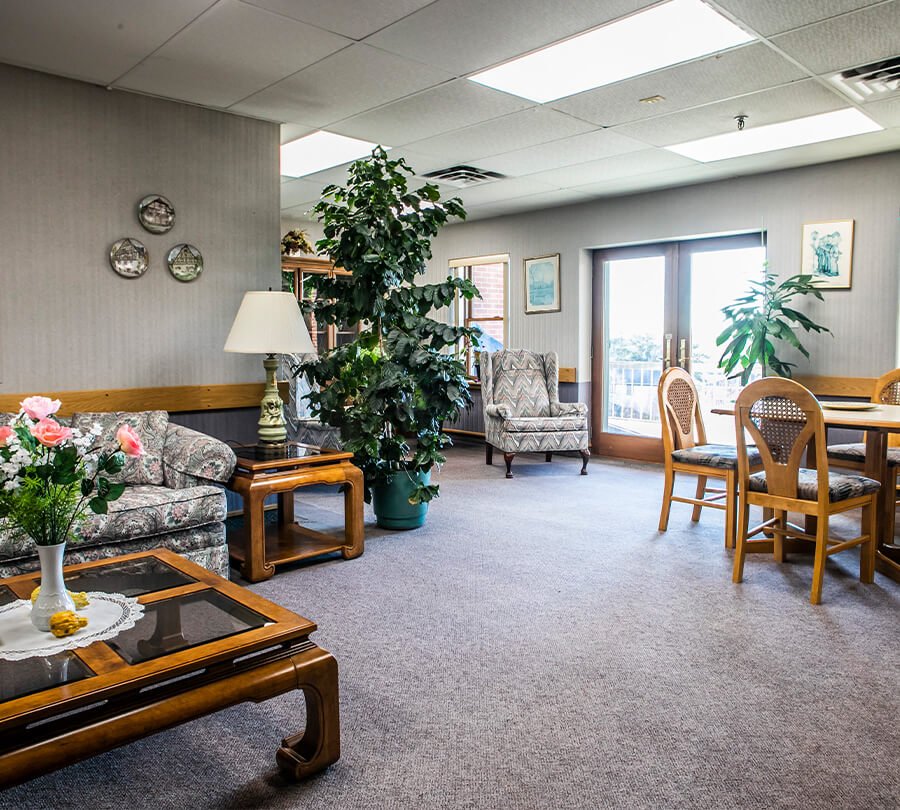
Navigating the landscape of Senior Living & Housing Options can feel like deciphering a complex map, especially when you're making deeply personal decisions for yourself or a loved one. It’s more than just choosing a place to live; it's about finding the right environment that supports independence, offers appropriate care, fosters community, and aligns with financial realities. This guide cuts through the jargon, offering a clear, human-centered perspective to help you make informed choices with confidence.
At a Glance: Your Options for Senior Living
- Active Senior Living: For healthy, independent older adults seeking community and amenities (e.g., 55+ communities, senior apartments, cohousing).
- Assisted Living & Long-Term Care: For those needing daily assistance or specialized medical supervision (e.g., assisted living, nursing homes, memory care).
- Aging in Place: Staying in your current home with support services like home care.
- Continuing Care Retirement Communities (CCRCs): Offers a spectrum of care levels within one campus, adapting as needs change.
- Financial Considerations are Key: Costs vary widely; understanding payment sources (private, Medicare, Medicaid) is crucial.
- Pets Welcome: Many communities are becoming increasingly pet-friendly.
- Early Planning Matters: Researching options proactively provides more control and peace of mind.
Your Next Chapter: Understanding the Broad Strokes
The journey into senior living often begins with a conversation about needs versus desires. Are you looking for a vibrant social scene without the burdens of home maintenance? Or does the need for daily assistance with personal care or medical oversight drive your search? These fundamental questions will guide you toward two primary categories: options for active, independent seniors, and facilities for those requiring more comprehensive long-term care.
This decision-making process isn't just about what's available today, but also about anticipating future needs. Finding a residence that offers flexibility or pathways to different care levels can save significant stress down the road.
Living Your Best Years: Options for Active & Independent Seniors
For seniors who are healthy, mobile, and eager to embrace a vibrant lifestyle without the chores of homeownership, a variety of communities offer independence alongside enriching social opportunities and amenities. Eligibility for these options can start as early as age 50 for resort-style living, or more commonly 55, 62, or 65.
55+ Communities & Retirement Housing: A Lifestyle Choice
These communities are designed for active adults who want to downsize and enjoy life among peers. Often, residents own their homes—whether single-family dwellings, townhouses, or condos—within a larger community that boasts resort-like amenities. Think golf courses, swimming pools, clubhouses, fitness centers, and bustling social calendars. The focus here is on fostering socialization and activity while maintaining complete autonomy.
You’ll typically pay privately for your home and a homeowners’ association (HOA) fee that covers shared amenities, landscaping, and sometimes exterior maintenance. Pets are usually allowed, though policies can vary regarding size or breed.
Senior Apartments: Convenience and Community
Among the most popular senior-specific housing types, senior apartments offer a blend of independence and convenience. These rentals often come with a host of benefits designed to simplify daily life. You might find dining halls offering meal plans, organized social calendars, transportation services for errands and appointments, and shared amenities like common lounges, libraries, and fitness rooms.
Age restrictions usually apply, commonly 55+ or 62+, though some Section 202 federal housing allows younger relatives to reside with the senior. Residents are generally fit for independent living, managing their own personal care and medications. Payments can be private, or for those who qualify, subsidized through programs like Section 8 or Section 202 federal housing. Many senior apartment complexes are increasingly pet-friendly, recognizing the companionship animals provide.
Senior Cohousing: Intentional Community Living
Imagine owning your private home within a community designed for shared experiences and mutual support. That’s senior cohousing. These communities are intentionally structured, often clustered around common spaces like a large kitchen, dining area, or workshop. The goal is a high quality of life at a potentially lower cost, achieved through shared resources and responsibilities.
Homeowners pay for their private residence, plus a share of common expenses, utilities, and property taxes. These communities are typically governed by a senior-led HOA, promoting a strong sense of ownership and collaboration. While they offer a low level of care, the built-in communal support system can be invaluable for aging in place. Payment mirrors traditional home purchases, augmented by shared community expenses. Some cohousing communities are even intergenerational, creating a vibrant mix of ages, and most are animal-friendly.
Active Senior Housing: High-Energy Living
For seniors over 55 who are truly looking for a high-activity lifestyle, active senior housing fits the bill. These can be apartments, townhouses, condos, or even single-family dwellings within a community offering extensive amenities focused on physical and social engagement. Expect gyms, pools, spas, robust meal plans, and a packed schedule of organized activities and transportation.
The costs here can be significant, often requiring a mid-six-figure entry fee and monthly fees around $3,000 or more for rent and amenities. While providing a low level of care, the expectation is that residents remain active. Should a resident's mobility or health needs change substantially, a transition to a higher level of care may be required.
Congregational Retirement Communities: Faith-Based Support
Offered by various religious groups, these communities integrate faith into daily life. Beyond standard amenities, you'll often find on-site church services, spiritual counseling, prayer groups, and other faith-oriented activities. Care levels typically remain minimal, focusing on independent living with a spiritual dimension.
Costs can vary widely; some communities might offer reduced rates due to church support or endowments, while others are privately run and command market rates. They provide a unique option for those seeking a retirement centered around their spiritual beliefs.
When Assistance is Needed: Long-Term Care Facilities
As health needs evolve, some seniors require consistent assistance with daily tasks, medical supervision, or specialized care. This is where long-term care facilities become vital. These options are designed to provide varying degrees of support, from basic help around the house to intensive medical care.
Aging In Place & Home Care: Staying at Home
Many seniors express a strong desire to remain in their own homes as they age, a concept known as "aging in place." This is often achievable with strategic planning, requiring thoughtful home modifications (like grab bars, ramp access, or smart home technology) and robust community support.
When personal assistance becomes necessary, Home Care (In-Home Senior Care) steps in. This service provides care or assistance for seniors directly in their existing homes, helping them maintain independence for as long as possible. Care levels range from minimal assistance, such as companionship and light housekeeping, to moderate daily support with personal care, and even 24/7 skilled nursing for complex medical needs. Naturally, the cost increases significantly with the intensity and frequency of care. While invaluable, it's worth noting that providing intensive home care can be stressful for family caregivers, often leading to a transition to other senior housing options when demands become too great. For more on navigating these complex choices, you can explore strategies for aging in place successfully.
Assisted Living (Personal Care Homes): Support with Daily Life
Assisted living facilities are designed for individuals who are mostly independent but need consistent help with a few Activities of Daily Living (ADLs) such as bathing, dressing, grooming, managing medications, or mobility. They strike a balance, offering independence coupled with readily available support.
Residents benefit from included meals, housekeeping, laundry services, and a robust calendar of recreational and social activities. Many facilities also offer specialized memory care units for those with cognitive impairment. Payments often involve a combination of private funds, long-term care insurance, and sometimes specific public programs. It's wise to engage in geriatric planning to understand all financial avenues. Minimum age requirements are typically 55, 62, or 65. A growing number of assisted living communities are becoming pet-friendly, recognizing the positive impact of animal companionship.
Nursing Homes: Higher Level Medical Care
When medical or behavioral reasons necessitate significant daily care and supervision, nursing homes provide the most care-focused environment. These facilities employ skilled nurses, certified nursing assistants, and other medical professionals to provide comprehensive medical care and personal assistance around the clock. Unlike assisted living, nursing homes offer daily access to advanced practitioners like Registered Nurses and Occupational Therapists, delivering a higher level of medical intervention.
Residents typically have lower activity levels, often recovering from medical events, managing chronic conditions, or living with advanced Alzheimer's disease or other severe mental health issues. Payments are often a combination of private funds, Medicare (for short-term skilled nursing stays), and Medicaid (for long-term care for eligible individuals). The median private room cost is estimated at around $10,965/month in 2025, with semiprivate rooms at about $9,555/month. Many are now offering pet-friendly options, where appropriate.
Memory Care Facilities: Specialized Dementia Support
For seniors living with Alzheimer's disease or other forms of dementia, memory care facilities provide a specialized, secure, and supportive environment. These facilities offer extra supervision and assistance with basic tasks like medication management and meals, all within a structured routine designed to minimize confusion and maximize cognitive engagement.
Memory care units can be found within some assisted living facilities, nursing homes, or as stand-alone specialized communities. Due to the higher care needs and 24/7 supervision (often to prevent wandering and ensure safety), these facilities typically incur additional monthly fees. If you're looking for guidance, here's help finding specialized memory care that fits your specific situation.
Continuing Care Retirement Communities (CCRCs): Planning for the Future
Continuing Care Retirement Communities (CCRCs) offer a comprehensive and transitional solution. Imagine a single campus that encompasses independent living, active senior housing, assisted living, and nursing home services. The unique benefit of a CCRC is the ability for residents to move seamlessly between care levels as their needs change, without having to relocate to a new community.
This integrated approach provides immense peace of mind, knowing that future care needs are already accounted for. However, this convenience comes at a significant cost. CCRCs typically require a sizable upfront entry fee, which can average around $402,000, in addition to ongoing monthly fees that can range from $3,000 to $5,000 or more.
Understanding Specialized Care Types in a Facility
Beyond the primary residential options, several types of specialized care services can be accessed in various settings, providing targeted support when needed.
- Respite Care: This is short-term care designed to provide temporary relief for primary family caregivers. Whether offered in adult day care centers, in-home settings, or nursing homes, respite care allows caregivers to rest, travel, or attend to personal needs. Medicare typically covers up to five days of respite care in a skilled nursing facility or at home.
- Adult Day Care: These centers provide daytime care and supervision for seniors when their caregivers are at work or unavailable. They offer a structured environment with social activities, meals, and often some health services. While Medicare generally doesn't cover adult day care, Medicaid often does for eligible individuals. It's a more affordable alternative to full-time residential care, with an estimated median cost of $103/day in 2025. However, they typically don't provide high levels of care for seniors with severe mobility issues or complex medical needs.
- Hospice Care: Focusing on dignity, comfort, and support at the end of life, hospice care is a philosophy of care, not a place. It can be provided in facilities or, most commonly, in the senior's own home. A dedicated team—including nurses, social workers, clergy, physicians, and home health aides—provides 24/7 on-call support for emotional, physical, and pain management needs. Hospice care is comprehensively covered by Medicare, Medicaid, and most private insurance plans.
The Money Talk: Understanding Senior Living Costs
One of the most significant factors in choosing senior living is cost. Prices vary dramatically based on the type of care, location, amenities, and level of luxury.
- Independent Living & Active Senior Housing: Costs typically involve purchasing a home or paying rent, plus HOA fees or amenity packages. These are largely private pay.
- Senior Apartments: Rent can be private pay or subsidized through federal programs like Section 8 or Section 202.
- Home Care: Varies widely based on hours and services. Often private pay, though some long-term care insurance policies may cover it.
- Assisted Living: Primarily private pay, though long-term care insurance and some state-specific Medicaid waivers may help.
- Nursing Homes: A mix of private pay, Medicare (for short-term skilled nursing), and Medicaid (for long-term care for eligible low-income individuals). Costs can be substantial, as noted above.
- Memory Care: Generally higher than standard assisted living due to specialized services and 24/7 supervision, mostly private pay.
- CCRCs: Require a significant entry fee plus monthly fees, typically private pay.
Understanding these financial intricacies is paramount. We recommend exploring resources to help you understanding senior care costs and also learning how to navigate Medicare and Medicaid options.
Making the Right Choice: Your Decision Framework
With so many Senior Living & Housing Options, how do you choose? It comes down to a careful evaluation of needs, preferences, and resources.
- Assess Current & Future Needs:
- Level of Independence: How much help is currently needed with ADLs (bathing, dressing, eating, transferring, continence, toileting)?
- Medical Needs: Are there chronic conditions requiring regular nursing care, medication management, or specialized therapies?
- Cognitive Function: Is there any memory impairment or dementia that requires a secure environment or specialized programming?
- Future Planning: Is a progressive care model (like a CCRC) important for long-term peace of mind?
- Consider Lifestyle & Preferences:
- Social Engagement: Is a vibrant social calendar important, or does a quieter, more private setting appeal more?
- Amenities: What facilities are non-negotiable (e.g., gym, pool, library, salon, spiritual services)?
- Location: Proximity to family, friends, familiar doctors, and local amenities can significantly impact well-being.
- Pets: Is it essential to bring a beloved pet along?
- Faith/Culture: Is a community aligned with specific religious or cultural values preferred?
- Evaluate Financial Resources:
- Budget: Be realistic about what you can afford, considering monthly fees, entry fees, and potential increases over time.
- Funding Sources: Identify all potential funding: private savings, pensions, Social Security, long-term care insurance, VA benefits, Medicare/Medicaid eligibility.
- Consult a Financial Advisor: A specialist can help you understand the long-term financial implications and available assistance programs.
- Visit & Observe:
- Multiple Tours: Don't settle for the first option. Visit several communities that align with your criteria.
- Unscheduled Visits: If possible, drop in at different times of day to get a more authentic feel.
- Talk to Residents & Staff: Ask about daily life, activities, food, and the overall atmosphere. How do staff interact with residents?
- Check Licenses & Reviews: Verify state licensing and read online reviews.
Common Questions & Misconceptions
- "Medicare will cover all my long-term care costs."
- Reality: Medicare primarily covers short-term, skilled nursing care after a hospital stay, and typically does NOT cover long-term custodial care in assisted living or nursing homes. Medicaid covers long-term care for those who meet strict income and asset requirements.
- "Senior living means giving up my independence."
- Reality: Many senior living options, especially independent living and active senior housing, are designed to enhance independence by removing burdens like home maintenance and providing convenient access to social activities and amenities. You retain control over your daily life.
- "All senior living facilities are the same."
- Reality: There's immense diversity! From bustling active adult communities to highly specialized memory care units, each option caters to different needs and lifestyles, with varying levels of care, amenities, and costs.
- "I should wait until there's an emergency to decide."
- Reality: Proactive planning is far less stressful and provides more choices. Waiting until an emergency often leads to rushed decisions under duress, limiting options and potentially increasing costs.
- "My pets won't be allowed."
- Reality: While historically true, many senior living communities are now pet-friendly, recognizing the vital role companion animals play in well-being. Always inquire about specific pet policies.
Beyond the Walls: Embracing Holistic Wellness
Finding the right housing is just one piece of the puzzle for a fulfilling later life. A holistic approach that encompasses physical, mental, emotional, and social well-being is crucial. Many senior living communities emphasize this by offering diverse activities, wellness programs, and opportunities for connection.
Whether you choose to age in place with robust home care or transition to a vibrant retirement community, prioritizing your overall health and happiness is key. From regular exercise to intellectual pursuits and meaningful relationships, focusing on all aspects of holistic wellness in later life enriches this new chapter. For a deeper dive into understanding the broader context of aging, you can learn more about Homo Argentum, which explores the modern experience of growing older.
Your Next Steps: Taking Action
The journey to finding the right senior living or housing option is a significant one, but you don't have to embark on it alone. Start by having open and honest conversations with your family, trusted friends, and possibly a financial advisor or geriatric care manager.
- Self-Assess: Honestly evaluate current and anticipated needs, preferences, and financial capabilities. Use the framework provided above.
- Research Thoroughly: Explore websites, brochures, and online reviews for communities that pique your interest.
- Visit in Person: Schedule tours, ask questions, and spend time observing the atmosphere and interacting with residents and staff.
- Consult Professionals: Don't hesitate to seek advice from elder care attorneys, financial planners specializing in elder care, or geriatric care managers who can offer personalized guidance.
- Plan Ahead: Even if a move isn't imminent, understanding your options now will empower you to make confident decisions when the time is right.
Finding the perfect residence isn't about ticking boxes; it's about discovering a place where you or your loved one can thrive, feel secure, and truly enjoy the richness of life's later years.